
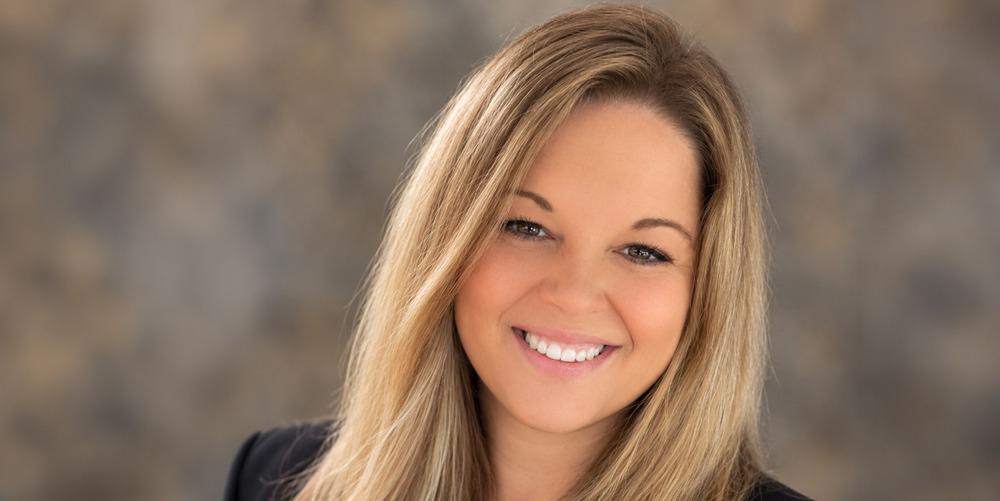
Three Cleveland School Board seats are up for reelection this year, and five are running, including the three incumbents (Ryan Ponwith, Nancy Heldberg and Kevin McCabe) and two newcomers (Jordan Elias and Ian Rude).
Election Day is Tuesday, November 3.
Jordan Elias
What is your background (as a part of the community, children in school, education, career and any other relevant experience that prepares you to be a board member)?
I am a parent of two children who attend Cleveland Public Schools and have spent 12 years working in education. Throughout my career, I’ve worked with students with a wide range of needs and learned how important it is to recognize that every child learns differently. I believe every student deserves to feel supported, included, and given the opportunity to succeed. As both a parent and an educator, I understand how important it is for schools, families, and teachers to work together to create the best possible learning environment.
What motivates you to run for the school board?
I’m running because I believe the strength of our schools is tied to the future of our entire community. As a parent and someone who has spent 12 years working in education, I’ve seen how much the school experience can shape a child’s confidence, opportunities and sense of belonging.
I want every student to have the chance to discover what they’re good at, feel supported, and see a future full of possibilities. That takes more than good intentions. It takes listening to the people closest to the work, being willing to ask hard questions, making responsible decisions, and having the courage to keep looking for better ways forward. Our kids deserve that kind of commitment.
What perspective do you bring to the board that may differ from others?
I’m fortunate enough to bring the perspective of both a parent and an educator who has spent many years working directly with students and within the walls of schools. Financial responsibility is important, but I also know from firsthand experience that decisions made at the district level have real consequences inside the classroom.
What looks good on paper doesn’t always translate into what students and teachers need in practice. I believe there is real value in having someone with recent, firsthand classroom experience at the table. Sometimes, you don’t know what you don’t know until you’ve experienced it firsthand. My background as an educator would allow me to bring a different perspective, ask questions that might otherwise be overlooked, and help ensure we’re considering how decisions will affect students and staff in the real world.
Our schools are more than a budget or a business; they’re an investment in our children and the future of our community. I want to help ensure we’re making thoughtful, informed decisions that balance financial responsibility.
What are the top needs of the district?
I believe our top needs are improving student achievement, supporting and retaining highly qualified teachers, meeting the diverse needs of our students, and maintaining financial stability. We have to be honest about what’s working and what isn’t, because continuing to do something simply because it’s how we’ve always done it doesn't guarantee it's what's best for kids. We need to be willing to evaluate our choices and make changes when needed. Strong schools require a balance between meeting students’ needs today and making responsible decisions for the future.
What would you do to improve student learning?
I would start by listening to teachers and looking at student data to understand where students are succeeding and where they need more support. We need strong foundational skills, appropriate resources, and opportunities for every student to grow. That means looking beyond test scores alone and asking whether students are growing, being challenged, and getting what they need to succeed. Supporting teachers with the tools, time, and professional development they need is an important part of improving student outcomes.
How should the district respond to rapidly changing technology, including AI and smartphones? What role should technology like computers and Chromebooks play in the classroom?
Technology should support learning, not replace good teaching or human connection. We need to teach students to use AI responsibly while still developing their own critical thinking, writing, and problem-solving skills. I also believe in clear expectations around smartphones to reduce distractions. Chromebooks and other technology should be used when they genuinely improve learning, and we should continually evaluate whether they are effective and worth the cost. The goal should always be learning first, technology second.
How will you listen to students, families, educators and the broader community?
I believe transparency and communication build trust. I would make an effort to listen to students, families, educators, and community members throughout the year, not just when a concern arises or an election is happening and encourage open communication, ask questions, and work to make sure different perspectives are considered before decisions are made.
I may not always be able to give someone the answer they want, but I can listen respectfully, explain the reasoning behind decisions when appropriate, and make sure people know their voices matter. I want to help create a culture where questions are welcomed, conversations are respectful, and people can work together toward solutions.
What will be your top priority if elected?
My top priority would be making sure our decisions truly serve students while also supporting the teachers and staff who make learning possible. I also believe we need to be responsible with taxpayer dollars and transparent about how decisions are made. Those responsibilities are not mutually exclusive. We can be financially responsible while still asking tough questions about what is best for kids.
At the end of the day, I want to be able to look at the decisions we make and know that we took the time to listen, considered the impact, and did what we genuinely believed was best for students.